Self Serve Car Wash Owner Issues: Common Problems and Solutions
- Understanding the Self Serve Car Wash Business Model
- Common Self Serve Car Wash Owner Issues
- Equipment Breakdowns and Maintenance Delays
- Vandalism and Theft
- Water and Chemical Cost Management
- Seasonal Revenue Fluctuations
- Aging Infrastructure and Outdated Payment Systems
- Regulatory and Environmental Compliance
- Customer Complaints and Service Quality
- How to Reduce Owner Issues and Improve Profitability
- Conclusion
- Frequently Asked Questions
Owning a self serve car wash can seem like an easy, low maintenance business on the surface. Customers wash their own vehicles, equipment runs mostly on its own, and staffing needs are minimal compared to a full service wash. However, behind this simplicity lies a range of operational, financial, and maintenance challenges that many owners underestimate before entering the industry.
In this article, we break down the most common self serve car wash owner issues, why they happen, and practical solutions to help owners run a more profitable and hassle free operation.
Understanding the Self Serve Car Wash Business Model
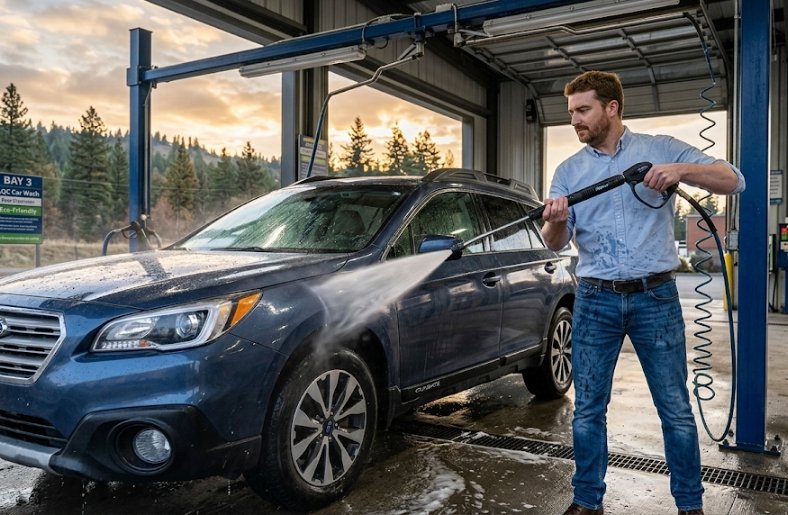
Self serve car washes operate on a coin or card payment system, allowing customers to wash their own vehicles using pressure washers, foam brushes, and vacuum stations. Because there is little to no staff present most of the time, owners rely heavily on equipment reliability, cleanliness, and customer trust to keep the business running smoothly.
While this model reduces labor costs significantly, it shifts the burden of responsibility onto equipment performance and preventive maintenance. When something breaks down and no staff is present to notice immediately, it can lead to lost revenue, unhappy customers, and costly repairs.
Common Self Serve Car Wash Owner Issues
Equipment Breakdowns and Maintenance Delays
One of the most frequent problems self serve car wash owners face is equipment failure. Pressure washers, vacuum systems, and coin or card readers are used constantly, often around the clock, which leads to natural wear and tear. Without regular inspections, small issues can quickly turn into major breakdowns that take bays out of service for days.
The solution here is implementing a strict preventive maintenance schedule. Regularly checking hoses, nozzles, pumps, and payment systems can catch problems early. Many successful owners also install remote monitoring systems that alert them instantly when a bay malfunctions, reducing downtime significantly.
Vandalism and Theft
Since self serve car washes often operate without staff supervision, they can become targets for vandalism, coin theft, or misuse of equipment. This is especially common at locations open 24 hours a day.
Installing high quality security cameras with remote access, proper lighting, and visible signage indicating surveillance can significantly reduce these incidents. Some owners also switch primarily to card and app based payments to reduce cash handling and lower the incentive for coin theft.
Water and Chemical Cost Management
Water usage and cleaning chemical costs can quickly eat into profit margins if not carefully managed. Leaks, inefficient nozzles, or improperly calibrated dispensing systems often go unnoticed for weeks, leading to unnecessary expenses.
Owners should conduct regular audits of water and chemical usage compared to revenue generated. Installing water reclamation systems can also help reduce overall water costs while supporting environmental compliance in areas with strict water usage regulations.
Seasonal Revenue Fluctuations
Self serve car washes typically experience seasonal demand shifts. Business often slows down significantly during winter months in colder regions, while rainy seasons can also reduce customer turnout in many areas.
To manage this, owners can diversify services by adding vacuum only stations, air fresheners, tire shine dispensers, or vending machines to generate additional income during slower months. Offering seasonal promotions or loyalty discounts can also help maintain steady customer traffic year round.
Aging Infrastructure and Outdated Payment Systems
Many self serve car washes still rely on older coin operated systems, which can frustrate customers who prefer cashless payment options. This can lead to lost business, especially among younger customers accustomed to card and mobile payments.
Upgrading to modern payment kiosks that accept cards, mobile wallets, and app based payments not only improves customer satisfaction but can also increase average transaction value through app exclusive promotions or loyalty points.
Regulatory and Environmental Compliance
Self serve car washes must comply with local water usage regulations, wastewater disposal rules, and environmental guidelines. Failing to meet these requirements can lead to fines or even forced closures in certain regions.
Owners should stay updated on local regulations and consider working with a compliance consultant if operating in an area with strict environmental policies. Installing proper drainage and water treatment systems from the start can prevent costly legal issues down the line.
Customer Complaints and Service Quality
Even without full time staff, self serve car wash owners still receive complaints related to malfunctioning equipment, cleanliness issues, or unclear instructions. Poor customer experience can quickly damage a location’s reputation, especially through negative online reviews.
Setting up a simple customer feedback system, whether through a QR code on site or a dedicated phone number, allows owners to address issues quickly. Regular site inspections and cleanliness checks also help maintain a positive customer experience even without constant staff presence.
How to Reduce Owner Issues and Improve Profitability
Successful self serve car wash owners tend to focus on three key areas, proactive maintenance, strong security measures, and modernized payment systems. Investing in remote monitoring technology allows owners to manage multiple locations efficiently without needing to be physically present at all times.
Diversifying income streams, such as adding vending machines or premium wash options, also helps offset slower seasons and reduces dependency on a single revenue source. Regularly reviewing operational costs, including water, electricity, and chemical usage, ensures that profit margins remain healthy over time.
Conclusion
Running a self serve car wash comes with its own unique set of challenges, from equipment breakdowns and theft to seasonal revenue dips and regulatory compliance. While the business model offers lower labor costs compared to full service washes, owners must remain proactive in maintenance, security, and technology upgrades to avoid common pitfalls.
By addressing these self serve car wash owner issues early and implementing practical solutions, owners can build a more resilient, profitable, and customer friendly operation that stands the test of time.
For More Info: Thinkable Insight
Frequently Asked Questions
What are the biggest challenges of owning a self serve car wash?
The biggest challenges include equipment breakdowns, theft or vandalism, water and chemical cost management, seasonal revenue fluctuations, and staying compliant with local environmental regulations.
How can I reduce equipment downtime at my self serve car wash?
Implementing a regular preventive maintenance schedule and using remote monitoring systems can help detect issues early and reduce prolonged downtime.
Is theft a common problem at self serve car washes?
Yes, theft and vandalism can be common, especially at unsupervised locations. Installing security cameras, proper lighting, and switching to cashless payment options can help minimize these risks.
How can self serve car wash owners increase revenue during slow seasons?
Owners can diversify income by adding vacuum stations, vending machines, or seasonal promotions to maintain steady customer traffic during slower months.
Do self serve car washes need to follow environmental regulations?
Yes, most regions require compliance with water usage and wastewater disposal regulations. Owners should stay updated on local laws to avoid fines or operational shutdowns.
