NikeLab Chicago: Inside Virgil Abloh’s Iconic Re-Creation Center
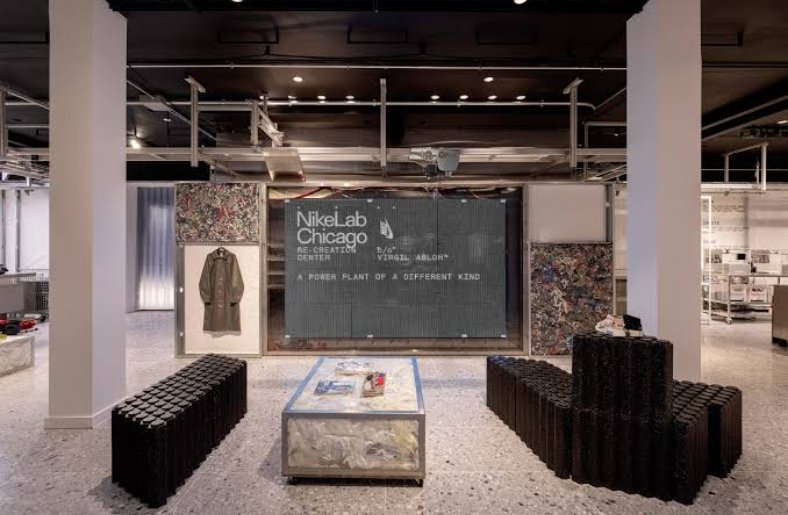
Chicago has seen its share of bold retail experiments, but few captured global attention the way NikeLab Chicago did. Known officially as the NikeLab Chicago Re-Creation Center, this project brought together sport, art, sustainability, and community mentorship under one roof. Created in collaboration with the late designer Virgil Abloh, the space became one of the most talked about pop-up concepts of its time, blending retail with purpose driven creativity.
In this article, we take a detailed look at what NikeLab Chicago actually was, why it mattered, who was involved, and the legacy it left behind in the world of design, streetwear culture, and community engagement.
What Was NikeLab Chicago
NikeLab Chicago, formally titled the NikeLab Chicago Re-Creation Center, was a temporary pop-up space developed by Nike in partnership with fashion designer Virgil Abloh. The concept was far more ambitious than a typical retail store. Instead of simply selling products, the space was designed to function as a creative hub for Chicago’s youth, offering mentorship programs, hands on workshops, and access to exclusive Nike merchandise.
The Re-Creation Center was located on Michigan Avenue, Chicago’s famous Mag Mile, positioning it in one of the city’s most prominent commercial districts. This location choice was intentional, placing a community focused creative initiative right in the middle of a high traffic retail environment.
The Role of Virgil Abloh
Virgil Abloh was already a major figure in fashion and design by the time NikeLab Chicago launched. As the founder of Off-White and later the artistic director of Louis Vuitton’s menswear line, Abloh had built a reputation for merging streetwear sensibilities with high fashion concepts. His collaboration with Nike was not new either, having previously worked on projects tied to major sporting moments and iconic sneaker redesigns.
For the Re-Creation Center, Abloh took on a curatorial role, selecting a group of mentors from different creative disciplines to guide local youth through an eight week program. These mentors included professionals working in architecture, graphic design, fashion, photography, and brand identity. Each mentor led workshops designed to help selected participants develop real world creative skills while working on projects tied to the theme of sport and culture.
The Mentorship and Workshop Structure
At the heart of NikeLab Chicago was its mentorship program. Ten young creatives from Chicago were chosen to take part in an intensive incubator style experience. Over eight weeks, they worked closely with industry professionals across five creative fields, gaining hands on exposure to real design processes rather than theoretical instruction alone.
Workshops covered a wide range of disciplines. Some sessions focused on graphic design and storytelling through print media, encouraging participants to experiment with collage and layout techniques inspired by magazine culture. Other workshops explored architecture and public space design, challenging participants to think about how physical objects and environments can shape social interaction. Photography, fashion design, and brand identity were also woven into the program, giving participants a well rounded creative education.
The program culminated in a final presentation where participants showcased projects developed throughout their mentorship. This structure reflected a broader goal behind NikeLab Chicago, which was not just to create buzz around a retail concept but to genuinely invest in the next generation of Chicago’s creative talent.
Sustainability and the Reuse-a-Shoe Initiative
Beyond mentorship, NikeLab Chicago also placed a strong emphasis on sustainability. The space incorporated an interactive installation tied to Nike’s long running Reuse-a-Shoe initiative. Visitors were encouraged to donate old sneakers, which were then transported through a visible conveyor system as part of the recycling experience.
This design choice allowed customers to witness a part of Nike’s recycling process firsthand rather than treating sustainability as an abstract marketing message. The donated shoes were eventually processed into Nike Grind, a material Nike has used since the early 1990s to create sports surfaces and recycled products.
In line with this sustainability focus, the materials collected through the Re-Creation Center were later used to help build a community basketball court in Chicago, timed to coincide with the NBA All-Star Weekend in February 2020. This gave the project a lasting physical legacy beyond its temporary retail presence.
Design and Retail Experience
The physical design of NikeLab Chicago moved away from conventional retail layouts. Rather than focusing purely on product displays, the space was structured to encourage exploration, interaction, and creative engagement. Elements like the visible recycling conveyor system and flexible workshop areas gave the store an experiential quality more akin to a cultural venue than a traditional shoe shop.
This approach aligned with a broader shift happening in retail design during that period, where brands began prioritizing experience and storytelling over straightforward product sales. NikeLab Chicago became an example of how a global brand could use retail space to support local community initiatives while still maintaining a strong connection to product and brand identity.
Why NikeLab Chicago Mattered
NikeLab Chicago represented more than a temporary store opening. It reflected a broader strategy where major brands began investing directly in local creative ecosystems rather than simply using cities as backdrops for marketing campaigns. By involving local architects, designers, and creatives as mentors, the project created genuine opportunities for Chicago’s youth to gain industry exposure and build relationships within the design world.
The collaboration also reinforced Virgil Abloh’s growing influence at the intersection of fashion, sport, and cultural commentary. His involvement helped position NikeLab Chicago as not just a Nike project, but a cultural moment that resonated with design communities, streetwear enthusiasts, and sustainability advocates alike.
The Legacy of NikeLab Chicago
Although the Re-Creation Center was a temporary installation, its impact extended beyond its closing date. The mentorship program gave real opportunities to young Chicago creatives, some of whom went on to build further connections within the design and fashion industries. The sustainability initiative tied to the space also contributed directly to a public community asset in the form of a basketball court, ensuring the project left a physical mark on the city.
For Nike, the project demonstrated how retail spaces could be reimagined as platforms for community investment and creative development. For Chicago, it offered a rare opportunity to host a globally recognized creative collaboration that prioritized local talent and long term community benefit over short term retail sales.
Conclusion
NikeLab Chicago, and specifically the Re-Creation Center led by Virgil Abloh, stands as a notable example of how major brands can blend retail, sustainability, and community mentorship into a single cohesive project. By combining hands on creative education with a strong sustainability message and a lasting community contribution, the space went far beyond typical pop-up retail expectations.
Even years after its closure, NikeLab Chicago continues to be referenced in discussions about experiential retail design, brand led community initiatives, and Virgil Abloh’s broader creative legacy.
For More: Thinkable Insight
Frequently Asked Questions
What was NikeLab Chicago?
NikeLab Chicago, officially known as the NikeLab Chicago Re-Creation Center, was a temporary pop-up space created by Nike in collaboration with designer Virgil Abloh. It combined retail, mentorship programs, and sustainability initiatives in one location.
Where was NikeLab Chicago located?
The Re-Creation Center was located on Michigan Avenue in Chicago, within the city’s well known Magnificent Mile shopping district.
Who was involved in creating NikeLab Chicago?
The project was led by Nike in partnership with fashion designer Virgil Abloh, who selected mentors from fields including architecture, graphic design, fashion, and photography to guide the mentorship program.
What was the purpose of the mentorship program at NikeLab Chicago?
The mentorship program aimed to give ten selected young creatives from Chicago hands on experience across multiple design disciplines through an eight week workshop series led by industry professionals.
How did NikeLab Chicago support sustainability?
The space featured an interactive sneaker recycling installation tied to Nike’s Reuse-a-Shoe initiative, allowing donated shoes to be transformed into Nike Grind material, later used to help build a community basketball court in Chicago.
