Top Property Management Software for Landlords and Real Estate Agencies
- What Is Property Management Software?
- Why Landlords and Agencies Are Switching to Software Solutions
- Key Features to Look For in Property Management Software
- 1. Online Rent Collection
- 2. Tenant Screening
- 3. Lease Management
- 4. Maintenance Tracking
- 5. Accounting and Reporting
- 6. Communication Tools
- 7. Mobile Access
- Benefits for Landlords
- Benefits for Real Estate Agencies
- How to Choose the Right Property Management Software
- 1. Define your portfolio size:
- 2. Check integration options:
- 3. Test the mobile experience:
- 4. Compare pricing models:
- 5. Read real user reviews:
- 6. Request a demo or free trial:
- Common Mistakes to Avoid When Adopting Property Management Software
- The Future of Property Management Software
- Final Thoughts
- Frequently Asked Questions
- What is the best property management software for small landlords?
- How much does property management software typically cost?
- Can property management software help with tenant screening?
- Is property management software suitable for commercial properties?
- Do tenants need to download an app to use property management software?
- How long does it take to set up property management software?
Managing rental properties used to mean stacks of paperwork, endless phone calls, and spreadsheets that never seemed to stay updated. Today, property management software has changed that entire experience. Whether you own a handful of rental units or run a full scale real estate agency, the right software can save you hours every week, reduce costly mistakes, and keep tenants happier.
In this guide, we will walk through what property management software actually does, the features that matter most, how landlords and agencies benefit differently, and how to choose a solution that fits your portfolio.
What Is Property Management Software?
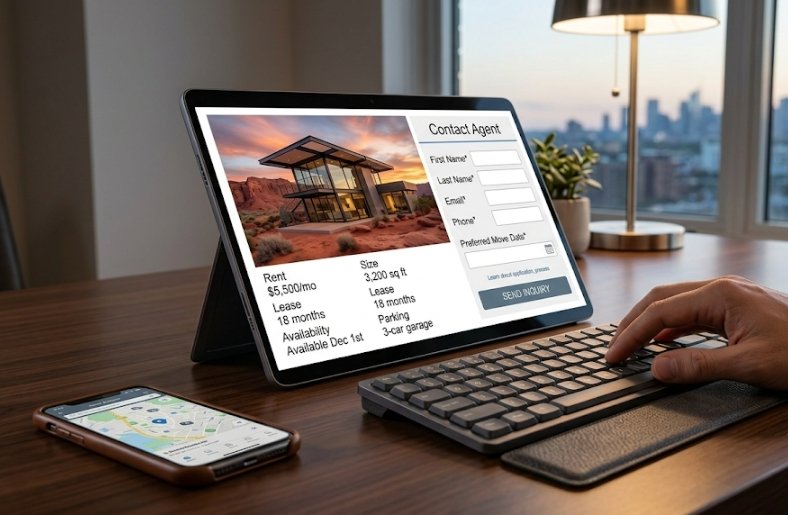
Property management software is a digital platform built to help landlords, property managers, and real estate agencies handle the daily tasks involved in running rental properties. This includes collecting rent, screening tenants, tracking maintenance requests, managing leases, and generating financial reports.
Instead of juggling multiple tools such as email, spreadsheets, and paper files, property management software brings everything into one dashboard. This means fewer missed payments, faster communication with tenants, and a much clearer picture of how each property is performing.
Why Landlords and Agencies Are Switching to Software Solutions
The rental market has grown more competitive, and tenants now expect the same convenience they get from banking apps or online shopping. A landlord who still relies on paper leases and manual rent collection risks losing tenants to competitors offering online payments and digital communication.
Real estate agencies face an even bigger challenge. Managing dozens or hundreds of units across multiple owners requires a system that can scale without adding more staff. Property management software solves this by automating repetitive tasks, so teams can focus on growth instead of administrative work.
Key Features to Look For in Property Management Software
Not every platform offers the same tools, so it helps to know what separates a basic system from a truly useful one.
1. Online Rent Collection
A strong property management software should allow tenants to pay rent through bank transfer, debit card, or digital wallet. Automated reminders and late fee calculations reduce the time landlords spend chasing payments.
2. Tenant Screening
Background checks, credit reports, and rental history verification help landlords choose reliable tenants. This feature alone can prevent months of lost income from problem tenants.
3. Lease Management
Digital lease creation, e signatures, and automatic renewal reminders make the leasing process faster and reduce legal risk from outdated or missing documents.
4. Maintenance Tracking
Tenants can submit maintenance requests directly through the platform, and managers can assign tasks, track progress, and keep a full history of repairs for each unit.
5. Accounting and Reporting
Good property management software includes built in accounting tools that track income, expenses, and generate reports for tax season or owner statements.
6. Communication Tools
A centralized messaging system keeps all conversations with tenants and owners organized, so nothing gets lost in personal email inboxes.
7. Mobile Access
Property managers are rarely sitting at a desk all day. A mobile friendly platform lets teams handle tasks from anywhere, whether they are inspecting a unit or meeting a new tenant.
Benefits for Landlords
For individual landlords, property management software removes much of the stress that comes with owning rental units. Automated rent reminders mean fewer awkward conversations about late payments. Digital records make it easy to prove compliance if a dispute ever goes to court. And because everything is tracked in one place, landlords no longer need to dig through email threads or paper receipts when tax season arrives.
Even landlords with just two or three properties often find that the time saved pays for the software subscription within the first few months.
Benefits for Real Estate Agencies
Real estate agencies operate on a much larger scale, and the benefits of property management software multiply accordingly. A single dashboard that shows occupancy rates, rent collection status, and maintenance backlogs across an entire portfolio gives owners and managers real time visibility they simply cannot get from spreadsheets.
Agencies also benefit from improved client retention. Property owners who work with an agency want transparency into how their investment is performing, and software that provides instant reports builds trust far more effectively than a monthly phone call.
Additionally, agencies managing properties across different cities or even countries need a centralized system that keeps everyone on the same page, regardless of location.
How to Choose the Right Property Management Software
With so many platforms on the market, choosing the right one can feel overwhelming. Here are a few practical steps to narrow down your options.
1. Define your portfolio size:
A tool built for large agencies may have unnecessary complexity for a landlord with three units, while a basic tool may lack the scalability an agency needs.
2. Check integration options:
Look for software that connects with accounting tools like QuickBooks, payment processors, and listing sites such as Zillow or Rightmove.
3. Test the mobile experience:
Since property management often happens on the go, a clunky mobile app can slow down your entire team.
4. Compare pricing models:
Some platforms charge per unit, others charge a flat monthly fee. Calculate the total cost based on your current and expected portfolio size.
5. Read real user reviews:
Marketing pages rarely show the full picture. Reviews from actual landlords and agencies reveal how the software performs during busy periods, like month end rent collection.
6. Request a demo or free trial:
Before committing, test how the software handles your specific workflow, whether that is multiple owners, mixed residential and commercial units, or international tenants.
Common Mistakes to Avoid When Adopting Property Management Software
Many landlords and agencies rush into a decision and end up switching platforms within a year. A few common mistakes include choosing software based on price alone without checking feature depth, skipping the onboarding process and losing time to a steep learning curve, ignoring tenant experience and picking a platform tenants find confusing to use, and failing to check customer support quality before signing a long term contract.
Taking the time to properly evaluate a platform before adoption saves significant time and cost down the road.
The Future of Property Management Software
Artificial intelligence is beginning to play a larger role in property management software. Predictive maintenance alerts, automated tenant communication through chatbots, and smarter pricing recommendations based on local market data are becoming more common across leading platforms. Landlords and agencies who adopt these tools early often gain a competitive advantage in tenant retention and operational efficiency.
Final Thoughts
Property management software has moved from being a nice extra to becoming a necessity for landlords and real estate agencies who want to stay competitive. From automated rent collection to detailed financial reporting, the right platform saves time, reduces errors, and improves the overall experience for both property owners and tenants.
Before choosing a solution, take time to evaluate your portfolio size, required features, and budget. A well chosen property management software can transform how you manage properties, turning a time consuming process into a streamlined system that supports long term growth.
Frequently Asked Questions
What is the best property management software for small landlords?
The best choice depends on portfolio size and budget, but small landlords generally benefit most from platforms offering simple rent collection, tenant screening, and maintenance tracking without a steep learning curve.
How much does property management software typically cost?
Pricing varies widely. Some platforms charge a flat monthly fee starting around 20 to 50 dollars, while others charge per unit, which can range from 1 to 5 dollars per unit each month.
Can property management software help with tenant screening?
Yes. Most modern platforms include built in tenant screening tools that check credit history, background records, and previous rental history to help landlords make informed decisions.
Is property management software suitable for commercial properties?
Many platforms support both residential and commercial properties, though some tools specialize in one type. It is important to confirm this before choosing a platform.
Do tenants need to download an app to use property management software?
Most platforms offer a tenant portal accessible through a web browser, and many also provide a mobile app for added convenience.
How long does it take to set up property management software?
Setup time depends on portfolio size and data migration needs, but most landlords and small agencies can be fully operational within one to two weeks.
