Why Llekomiss Software Is Failing Users: 6 Real Problems Ranked From Minor to Critical
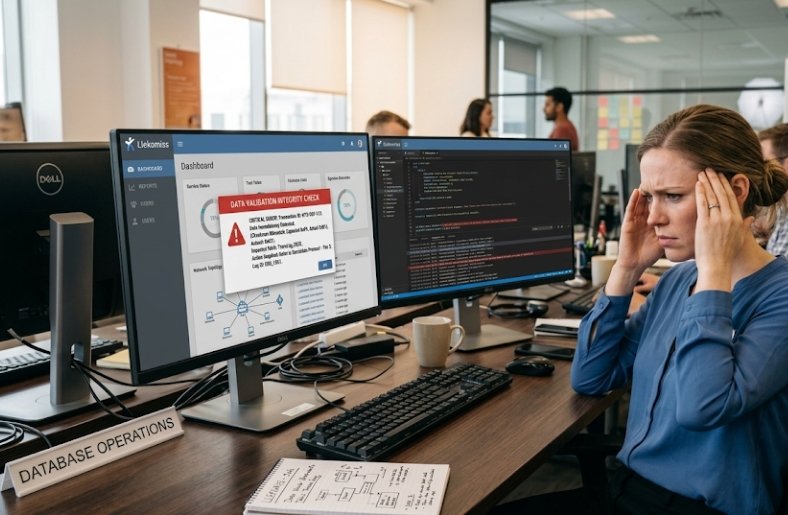
Every piece of software promises efficiency, simplicity, and reliability. Llekomiss software entered the market with similar promises, positioning itself as a solution for businesses and individuals looking to streamline their workflows. Yet as adoption has grown, so has a quiet wave of frustration among its user base. Complaints scattered across forums, review sites, and social media point to a pattern of recurring issues that many users feel have gone unaddressed for far too long.
This article breaks down the six most reported Llekomiss software problems, ranked from minor inconveniences to critical failures that can disrupt entire workflows. Whether you are considering adopting the platform or already struggling with it, this guide will help you understand what you are dealing with and how to manage it.
1. Confusing User Interface (Minor but Widespread)
The first complaint that surfaces again and again is the interface itself. Many users describe the dashboard as cluttered, with menus that do not follow any intuitive logic. New users often report spending hours just trying to locate basic settings that should be a click away.
This is not a critical flaw in the sense that it breaks functionality, but it creates unnecessary friction. Time lost navigating a confusing interface adds up, especially for teams that rely on the software daily. A steep learning curve also means higher onboarding costs for businesses that need to train staff before they become productive.
The emotional toll: New users often feel discouraged before they even get to test the software’s real capabilities, leading to early abandonment.
2. Slow Customer Support Response Times
The second issue that frustrates users is the support system. Reports suggest that tickets can sit unanswered for days, and even when a response comes, it often fails to resolve the actual problem on the first attempt. For users facing urgent issues, this delay can feel like being left stranded with no clear path forward.
Slow support becomes especially painful when paired with technical issues that block daily operations. A business relying on Llekomiss software for critical tasks cannot afford to wait several days for a fix, and this gap has pushed some users to look elsewhere.
Suggested workaround: Many users recommend documenting issues thoroughly with screenshots and error logs before contacting support, which can speed up ticket resolution once a representative responds.
3. Inconsistent Software Updates
Third on the list is the inconsistency of updates. Some months bring multiple updates in quick succession, while other periods go silent for extended stretches. This unpredictability makes it difficult for teams to plan around new features or bug fixes.
Worse, some updates have reportedly introduced new bugs while fixing old ones, creating a frustrating cycle where users feel like they are constantly adapting to a moving target rather than working with a stable tool.
Why this matters: Consistent, predictable updates build trust. When updates feel random or reactive rather than planned, users start to question the long term reliability of the platform.
4. Data Syncing Failures Across Devices
Moving into more serious territory, data syncing problems have become a recurring theme in user complaints. Reports describe situations where changes made on one device do not properly reflect on another, leading to duplicated entries, missing files, or outdated information appearing across different sessions.
For anyone relying on Llekomiss software to manage important documents, projects, or client data, this is more than an inconvenience. It introduces real risk. A missed sync could mean working from outdated information, sending a client the wrong file, or losing hours of unsaved progress.
The bigger picture: In an era where remote work and multi device access are the norm, reliable syncing is not optional. It is a baseline expectation, and its absence here has cost the platform significant user trust.
5. Performance Lag During Peak Usage
The fifth problem escalates the severity further. Multiple users have reported significant lag and slowdowns during peak usage hours, particularly when working with larger files or running multiple processes simultaneously. What should take seconds can stretch into minutes, and in some cases, the software freezes entirely, forcing a restart.
This kind of performance issue is particularly damaging for businesses operating on tight deadlines. A few minutes of lag multiplied across an entire team, day after day, translates into real productivity losses and mounting frustration.
User sentiment: Many describe this as the moment they began seriously considering alternatives, since performance reliability is often the deciding factor between a tool people tolerate and one they trust.
6. Data Loss and Critical System Crashes (Critical)
At the top of the list, and by far the most serious concern, are reports of complete data loss following unexpected system crashes. For a small number of users, this has meant losing entire projects, documents, or client records without warning. Backups, when they existed, were sometimes outdated or incomplete, compounding the damage.
This is the kind of problem that moves beyond frustration into genuine harm. Losing hours or days of work is not just a technical inconvenience. It can affect a person’s livelihood, damage client relationships, and shake confidence in ever trusting the platform with important information again.
What users should do: If you are currently using Llekomiss software for anything mission critical, maintain independent backups outside the platform. Do not rely solely on its internal saving or backup systems until this issue is clearly and publicly addressed.
Final Thoughts
Software problems exist on a spectrum, from mild annoyances that slow you down to critical failures that put real work at risk. Llekomiss software, based on widespread user reports, sits somewhere in the middle of that spectrum, with issues ranging from a confusing interface to genuinely alarming data loss incidents.
If you are currently facing any of these problems, know that you are not alone, and there are ways to manage the risk while a permanent fix is awaited. If you are considering adopting the platform, weigh these reported issues carefully against your specific needs, especially if your work depends on stability and reliable data handling.
Frequently Asked Questions (FAQs)
Q1: What is the most common complaint about Llekomiss software? The most frequently reported issue is a confusing and cluttered user interface, which makes onboarding difficult for new users, though it does not affect core functionality as severely as other problems on this list.
Q2: Is Llekomiss software safe to use for important business data? Given the reported risk of data loss during system crashes, it is strongly recommended to maintain independent backups of any critical data outside the platform until reliability improves.
Q3: How can I speed up customer support response times? Users have found that providing detailed error logs, screenshots, and a clear description of the issue upfront tends to reduce back and forth and speeds up resolution once support responds.
Q4: Are the syncing issues limited to specific devices? Reports suggest syncing failures occur across different device types and operating systems, rather than being isolated to one particular platform or configuration.
Q5: Should I switch away from Llekomiss software? That depends on how central the software is to your critical operations. If you rely heavily on stable performance and safe data handling, it may be worth evaluating alternatives while monitoring whether these issues are addressed in future updates.
Q6: Are these problems being fixed by the developers? Update patterns have been inconsistent, so it is difficult to confirm a clear timeline for permanent fixes. Users are encouraged to follow official communication channels for the most current status.
