How to Start a Dispatching Business From Home: 10 Simple Steps
- 1. Understand What a Dispatching Business Actually Does
- 2. Learn the Industry Before You Launch
- 3. Choose Your Business Structure and Register Legally
- 4. Set Up Your Home Office and Essential Tools
- 5. Understand Licensing and Compliance Requirements
- 6. Decide on Your Niche and Target Clients
- 7. Build Relationships With Brokers and Shippers
- 8. Find Your First Clients
- 9. Price Your Services Competitively
- 10. Market Your Dispatching Business and Scale Gradually
- Final Thoughts
- Frequently Asked Questions
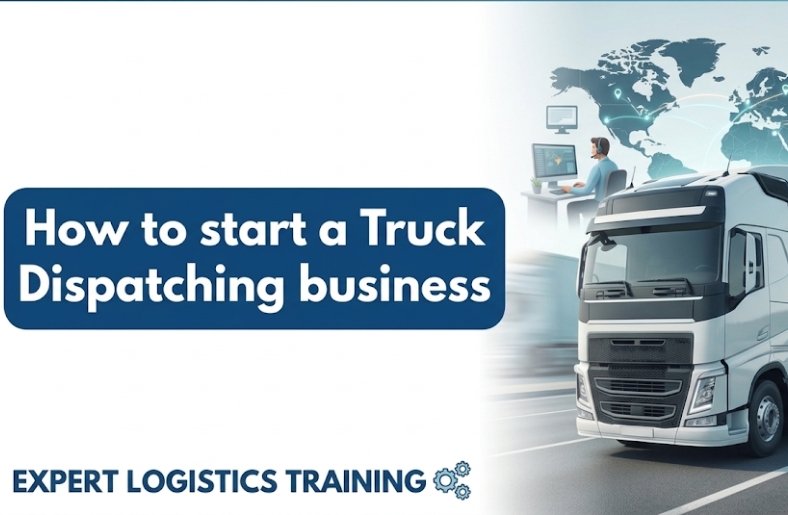
The trucking industry keeps growing, and with it comes a rising demand for reliable dispatch services. If you understand logistics, enjoy problem-solving, and want to build a business with low startup costs, starting a dispatching business from home could be an excellent opportunity. Truck dispatchers act as the communication bridge between truck drivers or owner-operators and the shippers or brokers who need freight moved, and this role can be done entirely remotely with just a computer, phone, and internet connection.
In this guide, we will walk through ten simple steps to help you start a dispatching business from home, even if you are completely new to the trucking industry.
1. Understand What a Dispatching Business Actually Does
Before diving in, it is important to fully understand the role. A dispatch business finds loads for truck drivers, negotiates rates with brokers or shippers, handles paperwork, tracks shipments, and manages communication throughout the delivery process. You are essentially helping truckers stay on the road and earning a percentage of each load’s rate, typically between five and ten percent, in exchange for handling the administrative and negotiation work.
This foundational understanding will shape every decision you make going forward, from which niche to target to how you price your services.
2. Learn the Industry Before You Launch
While no formal degree is required to become a dispatcher, industry knowledge is essential for success. Spend time learning trucking terminology, understanding freight types (dry van, reefer, flatbed, and others), and studying how load boards, brokers, and rate negotiations work.
Many successful dispatchers start by working briefly for an existing dispatch company or taking an online course to understand the practical side of the business before launching independently. This reduces costly mistakes and builds credibility when approaching your first clients.
3. Choose Your Business Structure and Register Legally
Once you understand the industry, formalize your business. Decide whether you will operate as a sole proprietorship, LLC, or another structure based on your location and liability preferences. An LLC is often recommended because it separates personal and business liability.
Register your business name, obtain any required local business licenses, and apply for an Employer Identification Number if operating in the United States. Taking this step early establishes legitimacy and protects you as your client base grows.
4. Set Up Your Home Office and Essential Tools
One of the biggest advantages of a dispatching business is the low overhead. You mainly need a reliable computer, a strong internet connection, a dedicated business phone line, and a quiet workspace where you can make calls and manage communications without interruption.
Beyond hardware, invest in dispatching software or a transportation management system to track loads, manage invoices, and organize client information efficiently. Many dispatchers also use load board subscriptions such as DAT or Truckstop to find available freight for their clients.
5. Understand Licensing and Compliance Requirements
Depending on your location, dispatching may not require a special license, but you should still be aware of relevant regulations. Some dispatchers choose to become familiar with Department of Transportation guidelines, broker-carrier agreements, and general freight compliance standards, even though dispatchers themselves are not brokers.
It is also wise to have a basic contract template ready for client agreements, outlining your commission structure, responsibilities, and payment terms clearly to avoid future disputes.
6. Decide on Your Niche and Target Clients
Successful dispatching businesses often specialize rather than trying to serve every type of trucking client. Consider whether you want to focus on owner-operators, small fleets, specific freight types like refrigerated goods, or a particular geographic region.
Specializing allows you to build deeper industry relationships, understand niche-specific challenges, and market yourself more effectively rather than competing broadly against every other dispatcher.
7. Build Relationships With Brokers and Shippers
Your income depends heavily on your ability to secure good-paying loads consistently. Start building relationships with freight brokers and shippers early, even before officially launching. Attend industry networking events, join trucking and dispatching forums, and reach out directly to brokers to introduce your services.
Strong broker relationships often lead to repeat business and better rate negotiations over time, which directly benefits the drivers you represent.
8. Find Your First Clients
Your first clients will likely come from personal networks, trucking Facebook groups, online forums, or direct outreach to owner-operators who currently manage their own loads. Offer a trial period or discounted rate initially to build trust and demonstrate the value you provide.
Word-of-mouth referrals are extremely powerful in the trucking community, so delivering excellent service to your first few clients can significantly accelerate your growth.
9. Price Your Services Competitively
Most dispatching businesses charge a commission ranging from five to ten percent of each load’s gross rate. Research what other dispatchers in your niche charge, and consider starting slightly lower to attract initial clients before adjusting as you build a reputation.
Be transparent about your pricing structure from the start, and clearly communicate what services are included, such as load booking, rate negotiation, paperwork handling, and check calls.
10. Market Your Dispatching Business and Scale Gradually
Once you have your first few clients and positive results, focus on marketing to grow steadily. Create a simple website, maintain an active presence on trucking-related social media groups, and ask satisfied clients for referrals or testimonials.
As your client base grows, consider hiring additional dispatchers to handle increased volume, allowing you to scale your business without becoming overwhelmed managing every load personally.
Final Thoughts
Starting a dispatching business from home is an achievable goal with relatively low startup costs compared to many other businesses. Success depends on genuinely understanding the trucking industry, building strong relationships with brokers and drivers, and consistently delivering reliable service. By following these ten steps, you can launch a dispatching business that grows steadily and provides real value to the truckers and companies you work with.
Visit For More Info: Thinkable Insight
Frequently Asked Questions
How much money do I need to start a dispatching business from home?
Startup costs are relatively low, often ranging from a few hundred to a couple thousand dollars, mainly covering business registration, a computer, phone, internet, and load board subscriptions.
Do I need a license to become a truck dispatcher?
In most regions, dispatchers do not need a special license since they are not brokers, but registering your business properly and understanding industry regulations is still important.
How much can a dispatching business earn?
Earnings vary based on the number of clients and loads managed, but most dispatchers charge five to ten percent commission per load, meaning income scales directly with the number of trucks you represent.
Can I start a dispatching business with no trucking experience?
Yes, many successful dispatchers start with no prior trucking background, but investing time in learning industry terminology, processes, and tools beforehand significantly improves your chances of success.
How do I find my first clients as a new dispatcher?
Networking within trucking Facebook groups, forums, and personal connections, combined with offering trial periods or discounted introductory rates, is one of the most effective ways to land your first clients.
